

How Dog Cuisine is Going Green and That’s a Num Num Thing
Canine teeth tell us everything we need to know about a dog’s preferred dietary choices. Hey, if you descended from wolves, chances are you would not be hanging out at a farm-to-table restaurant gnawing on broccoli rabe. (It is a well-known fact that dogs loath the “tree of doom!”)
As a vegetarian, the big dog here at Give A Paw Canine Wellness has deliberated over what “course” to take when I welcome a new dog into my family within the next year. Similarly, I wonder about our species: Do vegan/vegetarian parents allow their children to choose what they eat, If parents believe in something so adamantly, in this case, animal welfare, have they every right to insist a family is united in a vegetarian or vegan lifestyle?
Whether dog or human, it “begs” the question, what is the doggone big deal? Let a dog eat what is hard-wired in its DNA. And while we’re at it, let the kids eat all the pepperoni pizza, chicken nuggets, and salmon sushi their developing GI tracts can handle.
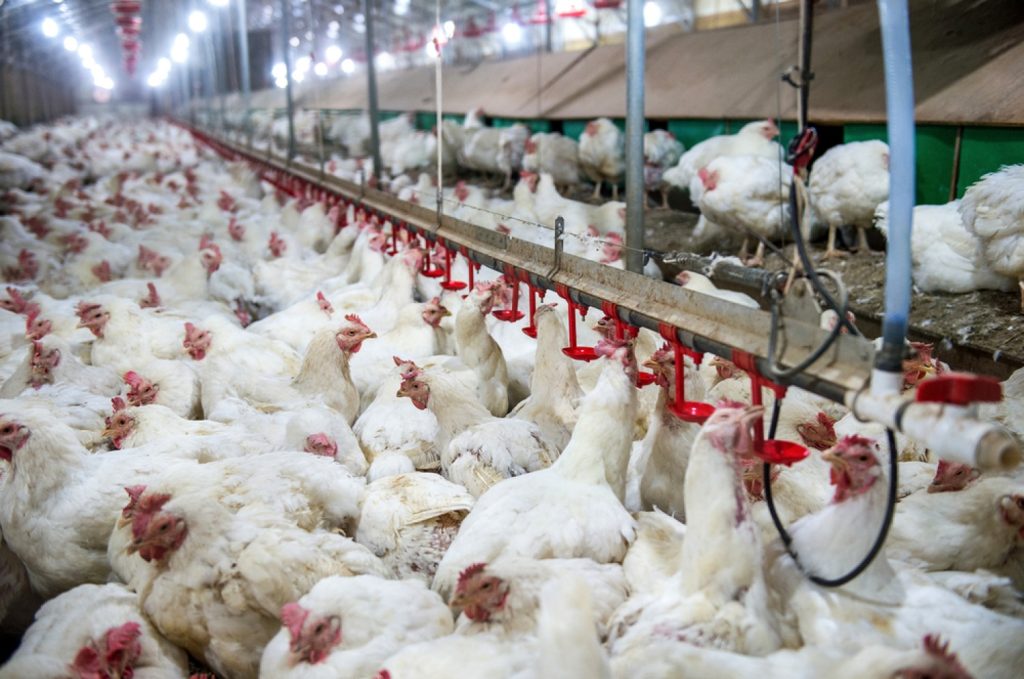
But beg the question, we certainly WOOF! Because this is Nose to the Ground, and we intend to sniff out exactly how American dogs’ food consumption is intentionally or inadvertently a “byproduct” of the bloated, distended, heaving, and, let’s not mince words (okay, we already minced), a sick and mostly inhumane animal factory farming industry.
Let’s start with an anecdote from The Guardian:
“Michelle Thomas has been a vegan for six years. Her two-year-old Hungarian vizsla, Loki, went vegan at 10 months, after a recommended two-month transition period. ‘Being vegan myself, what I was feeding my dog was becoming increasingly troubling to me, as it went against the way I was living,’ Thomas says.’ So, I started looking into whether I could safely feed my dog a plant-based diet.’ “Was it primarily an ethical decision? ‘Absolutely, it’s ethical,’ she says. ‘And it’s also hugely environmental. We’re in a true planetary emergency, and we can no longer ignore the part that animal agriculture is playing in destroying the planet.’”
We can no longer ignore, we believe, says it all. Let’s start with some eyeball-widening numbers:
Gregory S. Okin’s 2017 UCLA landmark study Environmental impacts of food consumption by dogs and cats estimated that, at the time, pet food production in the US released 64 million tons of CO2 equivalent greenhouse gases annually, comparable to the emissions of 13.6 million cars! This represented a substantial portion of the environmental impact of animal agriculture, with some studies suggesting it accounted for 25-30% of the impact of meat consumption in the US.
For you dogged science folks out there . . .
Abstract
“In the US, there are more than 163 million dogs and cats that consume, as a significant portion of their diet, animal products and therefore potentially constitute a considerable dietary footprint. Here, the energy and animal-derived product consumption of these pets in the US is evaluated for the first time, as are the environmental impacts from the animal products fed to them, including feces production . . . and through their diet, constitute about 25–30% of the environmental impacts from animal production in terms of the use of land, water, fossil fuel, phosphate, and biocides . . . Americans are the largest pet owners in the world, but the tradition of pet ownership in the US has considerable costs. As pet ownership increases in some developing countries, especially China, and trends continue in pet food toward higher content and quality of meat, globally, pet ownership will compound the environmental impacts of human dietary choices.”
And from The Global Environmental Paw Print of Pet Food, Science Direct, November 2020:
And now, for a commercial break . . .
Yes, they do a great job pulling on the heartstrings. The Farmer’s Dog and other similar companies’ fresh, healthy, and customized offerings are one way to satisfy a dog’s tummy.
Another trail being traversed by many paws is the way of The Veggie Dog (and here are some nutrition companies from PETA’s recommendations).
PawCo Foods does a “compare and contrast,” addressing our central question, is dog cuisine going green a num num thing?
“Similarities between PawCo and The Farmer’s Dog
Differences between PawCo and The Farmer’s Dog
Conclusion
In conclusion, both PawCo and The Farmer’s Dog offer excellent options for dog owners searching for high- quality, nutritious food for their furry companions. However, if you’re looking to make a positive impact on animal welfare and the environment while ensuring your dog’s dietary needs are met, PawCo’s vegan dog food is an ideal choice. Treat your four-legged friend to the delicious and wholesome benefits of a plant-based diet, and feel confident knowing that you’re making a difference for the planet and its inhabitants.”
We would be remiss if we did not shed light on at least one veterinarian perspective.
“Disadvantages
There are no real advantages to feeding dogs or cats a vegan diet because these diets may be deficient in a number of nutrients these pets need. In a study published earlier this year, four commercial vegan diets (three for dogs and one for cats) were found to be deficient to varying degrees in calcium, potassium, phosphorus, protein, and arginine.13 Taurine deficiency was observed in the diets due to the high concentration of soybean meal. Whether this may lead to such cardiac abnormalities such as dilated cardiomyopathy is currently being studied. In addition, plant-based proteins have been shown to have lower digestibility compared with animal proteins, although this was not studied in this paper. Some of the diets studied had copper and zinc concentrations higher than the limits allowed by the AAFCO and NRC. Copper transition can sometimes lead to oxidative damage such as liver cell abnormalities or cell death.
One diet had iron supplementation above European Pet Food Foundation upper limits.13 Low calcium levels and a calcium-to-phosphorus ratio below the minimum recommendation may result in secondary nutritional hyperparathyroidism in dogs and cats; none of the diets studied met the minimum requirements for this ratio.13 This is a very important consideration to make when feeding young and growing animals as well.”
We acknowledge that ethically, a DVM’s patients are their primary concern, and nobody should mess with a dog’s overall health. What this paper fails to do is to address the science that has proven, when dogs go vegan, it is not only beneficial to their health, but for the health of the planet. Carefully curated vegan diets, integrating human-grade supplements, can address taurine and other areas of canine biochemistry.
A 2023 U of I study gives a thumbs up to carefully formulated vegan diets for dogs, authored by Kelly S. Swanson, Professor; Director of the Division of Nutritional Sciences. The gist of the Veggie Dog-friendly research is summarized here:
“No one had tested digestibility of these diets in dogs before this. We showed that these vegan diets resulted in desirable fecal characteristics, high nutrient digestibilities, and positive changes to certain blood and fecal metabolites,” he says. “For people who are interested in feeding their pets a vegan diet that aligns with their personal values, the diets we tested are a good choice.”
And more research from Science Direct (2024) Vegan versus meat-based dog food: Guardian- reported health outcomes in 2,536 dogs, after controlling for canine demographic factors:
And from the team of Nicholles, B., & Knight, A. (Published: August 7, 2025), what does this mean for the immediate future?
The numbers do not lie. Dog cuisine going green is a num num thing.
And for our planet, it is . . . an essential thing.

Note: For those of you wondering, what can I do? Keep following our Call to Action campaigns on the Advocacy Page. Visit our Resources Page. Here is one way to make a difference right now: Support The Industrial Agriculture Conversion Act.
 Bone-Deep