“Animal testing is based on a theory that animal responses in a lab will accurately predict what will happen when humans are exposed to the same substances. However, this is a flawed model because physiology varies among different animal species, including humans.”
-AV Magazine (A Publication of the American Anti-Vivisection Society (2010, Number 2)
We love animals. Dogs. Cats. Horses. Goats. We care for exotic pets ranging from birds to turtles, snakes to rats, bunnies to tarantulas (!), and ferrets to Guinea pigs. But do we care . . . really? Sure, for enlightened individuals, couples, and families, interspecies relationships provide mutual rewards, not the least being our further appreciation of the natural world. So, what the woof? Most of the animal cruelty perpetrated by humanity, rampant as it is, nationally, and globally, is very much in the public conversation. New laws are being enacted. People are protesting and making a difference like never before. However, there is a pervasive shadow of severe mistreatment that receives fewer headlines: the testing of deadly and often carcinogenic products on animals.
To sell cosmetics. Pharmaceuticals. Shampoo. Hairspray. House cleaning supplies. Sunscreen. Insect repellant. Rat poison. Yes, rat poison.
That people put in their shopping cart. Or order online.
Rarely if ever giving a thought as to how it was developed, FDA-approved, manufactured, packaged, and transported.
About who paid the ultimate price for that flowery scent immersed in a freshly washed stack of folded laundry.
Even with the foundational 1966 Animal Welfare Act, and other more recent important legislation, how the arf do we explain to our children that these particular animals continue to be violently tested on: NonHuman Primates. Dogs. Cats. Rabbits. Mice and rats. Guinea pigs and hamsters. Birds. Fish. Farm animals.
So, just what are the types of tests? This mostly complete list is a paraphrasing of research presented by the Leaping Bunny Program:
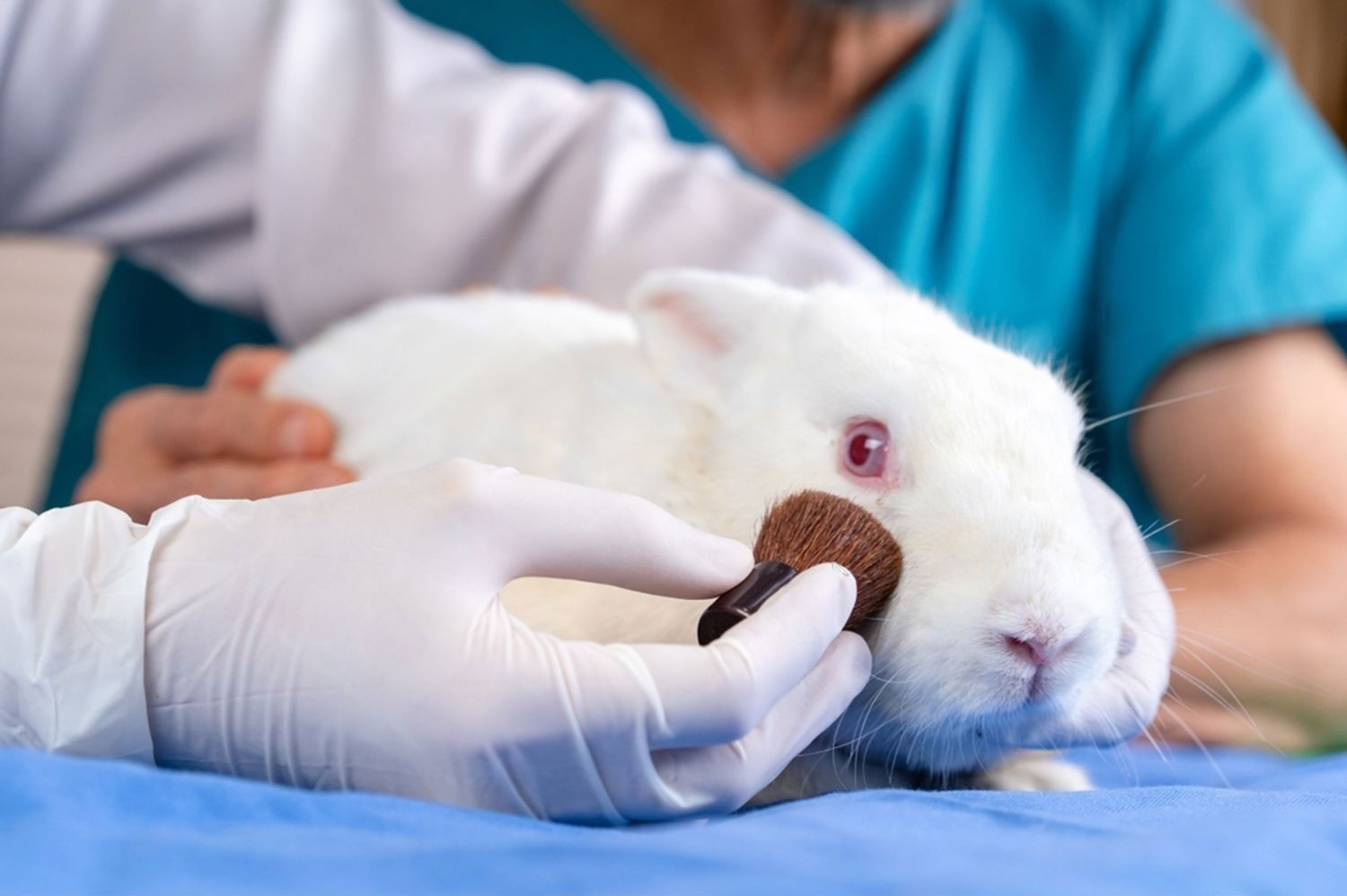
Draize Test
Acute Toxicity Testing
Skin Irritation Testing
Ecotoxicity Testing
Carcinogenicity Tests
Reproductive and Developmental Toxicity
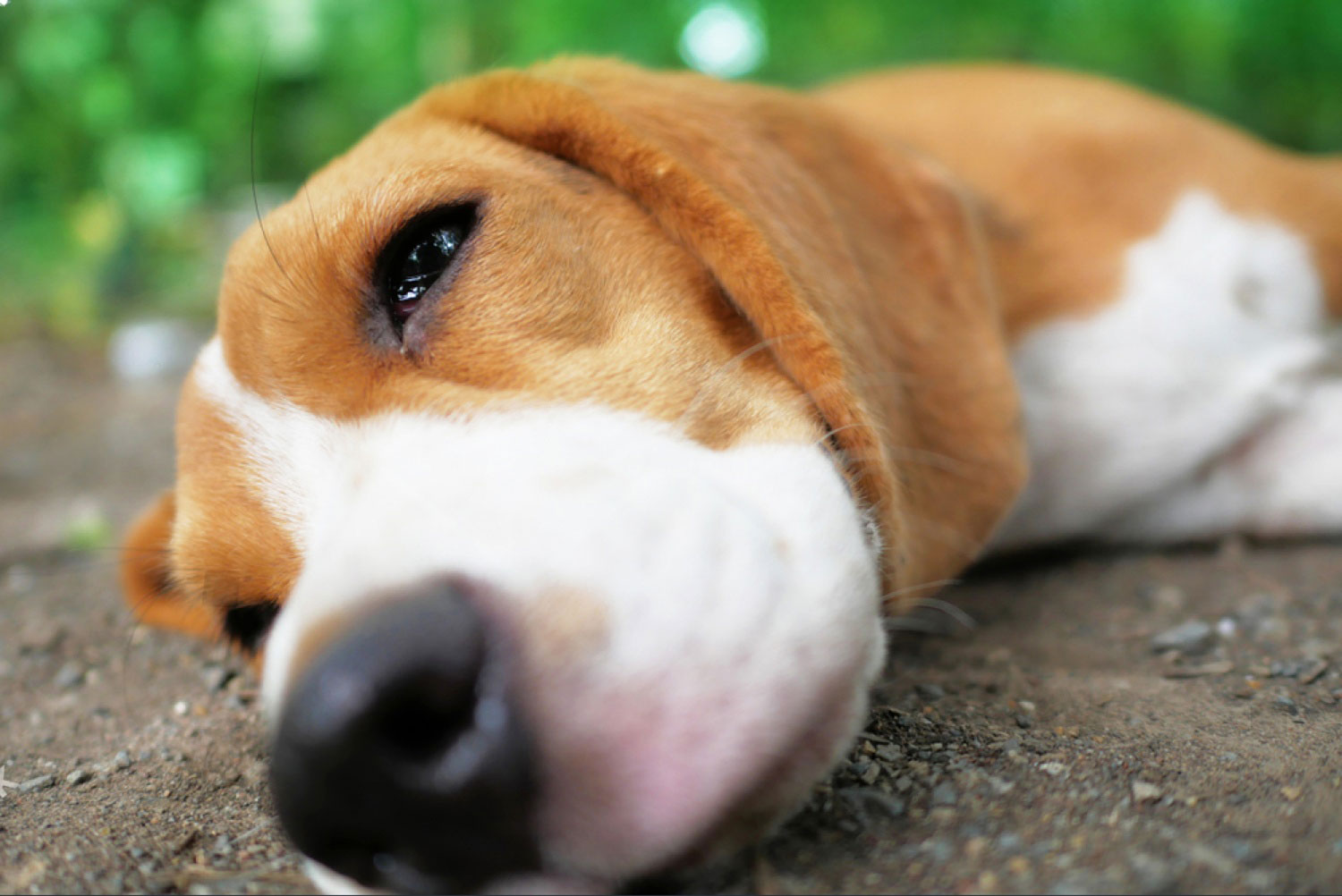
“I know now why they test on beagles. They’re so forgiving,” . . . “They’re loyal to a fault. To see them actually become dogs . . . it’s just amazing.”
We were saddened to learn of the unexpected extent to which dogs are brutalized.
Most dogs used in research are purpose-bred in laboratory breeding kennels, private companies that sell strictly to labs. Dogs can be bred to be pathogen-free or genetically manipulated to be a model of human disease.
This research strongly suggests that humanity’s blinding science is losing traction:
According to Alternatives Research & Development Foundation, April 2025 was a “turning point” and was an historic shift in U.S. animal testing policy. Read all about it here. A segment of its conclusion is below
“. . . We stand at the brink of a new era in biomedical research – one that promises not only more ethical practices but also more effective and efficient scientific outcomes. The coordinated actions of US regulatory agencies have demonstrated that decisive progress is possible when scientific evidence, ethical considerations, and regulatory willpower align . . . The transition to human-relevant technologies represents not just scientific advancement but a fundamental reimagining of how we conduct research to benefit human health while respecting animal welfare and advancing ethical science.”
So, what can you do about it right now? For our second Call to Action campaign, here are three options!
Download the Cruelty Free App! We are using it!
Here is Leaping Bunny’s companion Shopping Guide.
Urge the U.S. Senate to pass this Bill requiring the FDA to allow non-animal testing.
“The FDA’s drug testing approval process is based on a decades old law and technology that relies on animal tests . . . [We] should embrace modern, human-based technologies such as computer modeling, 3D cell cultures, organoids, and organs-on-chips. Doing so will save lives, better protect human health, improve the lives of patients, and optimize valuable resources—without subjecting animals to pain and suffering.”
Initiate a campaign with friends and family to write letters to a store, business, company, and others considering being on the ethical side of this issue.

And when the lab testing tables are turned . . . Those of us, in some kind of manner like Thomas Dolby, will have told unethical companies and research scientists what they can do with their science.
We appreciate you joining us in standing up against animal testing. After participating, be sure to share your activism on our socials and yours as well! Let us never lose sight that we are the voices for millions of animals around the world who need our compassion.