Got Zoomies?
SIX-MINUTE READ
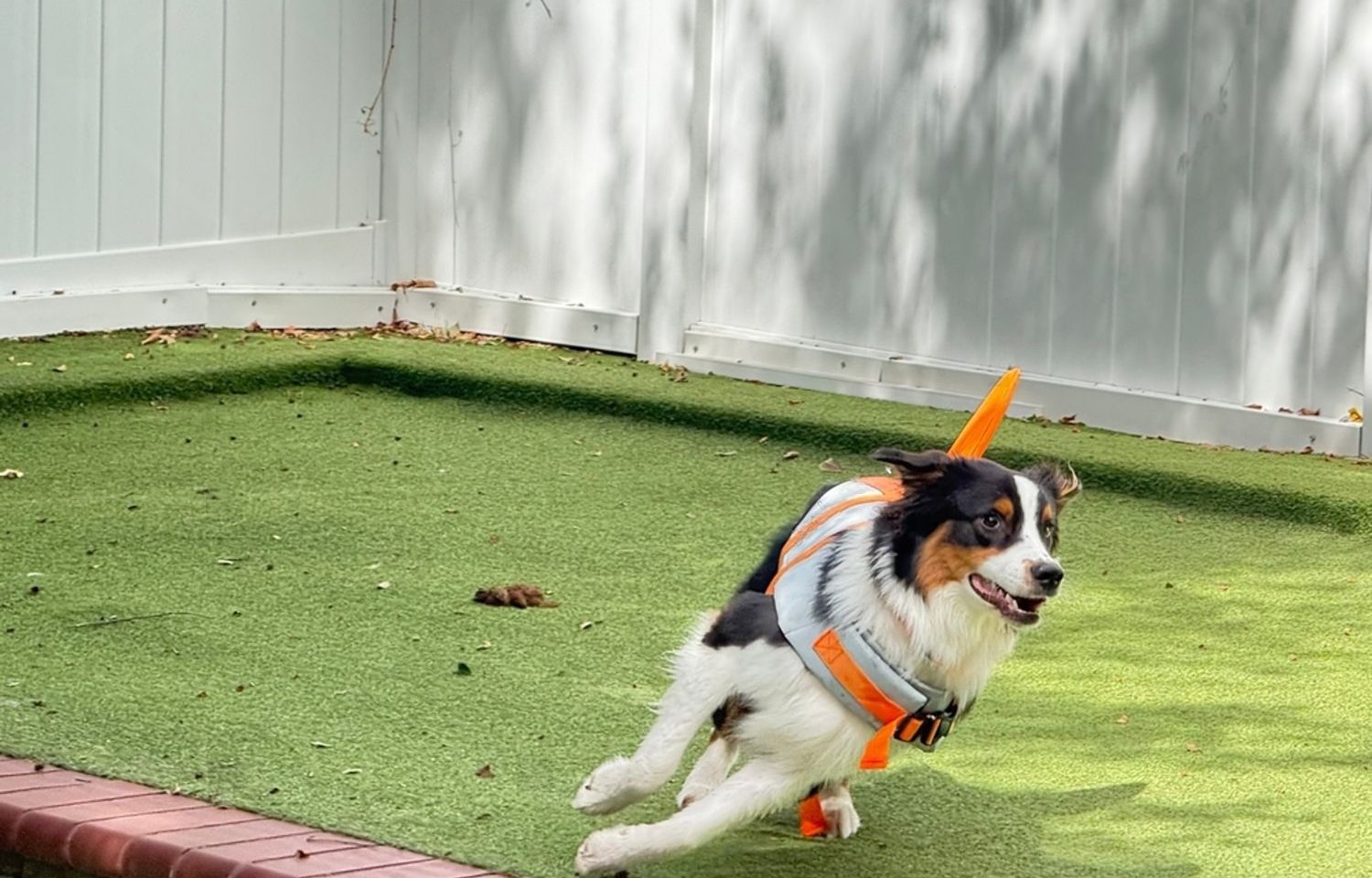
What the FRAP? Yes, there is a scientific term for the zoomies: Frenetic Random Active Periods, where a dog hunches, loses all self-control, dashing, typically-in circles, at Porsche-like speeds.
And preferably indoors, where more household items can be demolished in the process.
Sometimes zoomies include a few spins and play bows, which is when a dog has their elbows down and their butt up (the universal canine offer to play!).
The exact cause of dog zoomies is not fully understood, but the thinking is that they are an outlet for dogs to release pent-up, surplus energy, excitement, or even anxiety. There are several reasons why dog zoomies happen, from extreme happiness to stress. The most common reasons dogs get zoomies include:
Age: There is a lot going on as a dog matures, and all that growth and change can trigger arousal. Much like children, puppies have an endless cache of energy, and zoomies are one of the ways to liberate it. That said, dog zoomies are not just for puppies! Many older dogs enjoy this silly scampering well into adulthood and beyond.
Excitement: Moments of high arousal, like the jingle of the leash just before a walk, or when their person arrives home at the end of the day can trigger a FRAP. Dashing around the house can elongate, then settle, a dog’s remaining happy energy before the evening routine sets in.
Playfulness: Sometimes a game of fetch is just too exciting, and the pup can’t contain the joy. Or maybe it’s time to take a break from tug but the dog wants the good times to continue. Enter the zoomie, the pup’s attempt to stay in play mode.
Keep-away: In a competition between two legs and four, dogs always have the “leg up.” For example, when trying to bring the dog inside from the yard before they are ready, or indoors, they snatched an unmentionable from the wardrobe and when trying to get it back, this behavior easily can segue into a zoomie.
Stress, tension, frustration, overtiredness: Unfortunately, dog zoomies are not always about amusement. Sometimes zipping around is a way to unchain built-up negativity associated with stress, like awaiting the exam room at the vet office or being an overtired puppy and not understanding that it is time for a nap.
Lack of exercise: All dogs—but especially puppies—need plenty of time to exercise their bodies and brains. When they do not get enough, the result can be an increase in zoomies, often leading to less appropriate behaviors like nipping and vocalization.
While zoomies are typically all in good fun, calamities can occur when pups go into overdrive. Consider the following when faced with zoomies:
Outdoor safety: If a dog goes into full BMW mode, keep play sessions contained to a fenced-in area, or use a long leash (not retractable) to keep the dog nearby. They should wear a well-fitting, top-rated collar with an ID tag in case they escape.
Flooring: Puppies who inevitably enter the zoom-zone need traction. If the home has slippery floors, consider putting down throw rugs to avoid injuries from spinouts until the dog grows out of the phase.
Tippy tables: Puppy zoomies do not always follow a safe path, which means they might go hurtling into your furniture or less soft surfaces. Consider repositioning breakables, like vases or artwork, that might tip over from coffee or side tables.
Bystanders: Children and elders can be swept off their feet during dog zoomies. Either relocate vulnerable folks to a safe space during FRAP-time. or move the dog to an open, but secure area.
Still, cur-ious?
Why do dogs get zoomies after a bath?
Post-grooming: Dogs rarely relish bath time. Between the uneasiness of the water, strange soap, and handling that is essential to get the grunge off, braving a bath requires more patience than many dogs have. By the time it’s over, they are thankful to get to shake off the water and the stress. Combine the odd sensation of having wet fur with the new fragrance from the shampoo, and the stage is set for a roly-poly zoomie! Post-bath zoomies are likely an attempt to dry off and reintroduce more familiar odors to their fur.
Why do dog get zoomies at night?
Also known as the 5 p.m. dash, this is when dogs reveal themselves as temporal creatures, which means that the passage of time has a primal effect on them. Many dogs have a “witching hour” between 5–8 p.m., which can coincide with mealtime, arriving home from work, or an early bedtime for very young pups. This final spurt of energy can indicate the onset of winding down.
Why do dogs get zoomies after pooping?
It’s safe to assume that there’s a feeling of relief after, well, how do we say it, unclogging the pipes, It is not surprising that many dogs go for a jubilant romp once they’ve done their business.
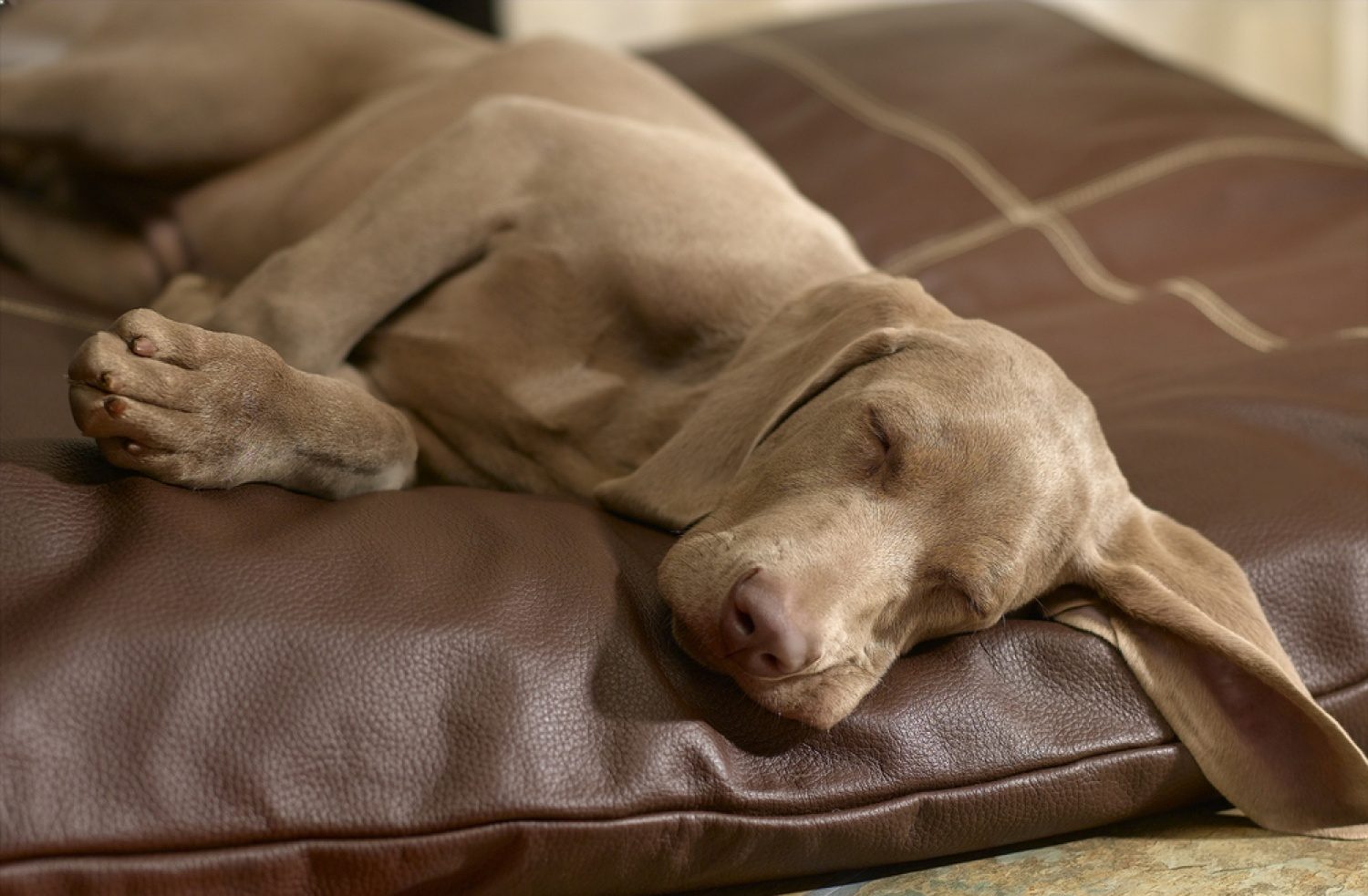
And when all the circling has been done, there is nothing like a post-zoomie zonk.
 3
3 Bone-Deep