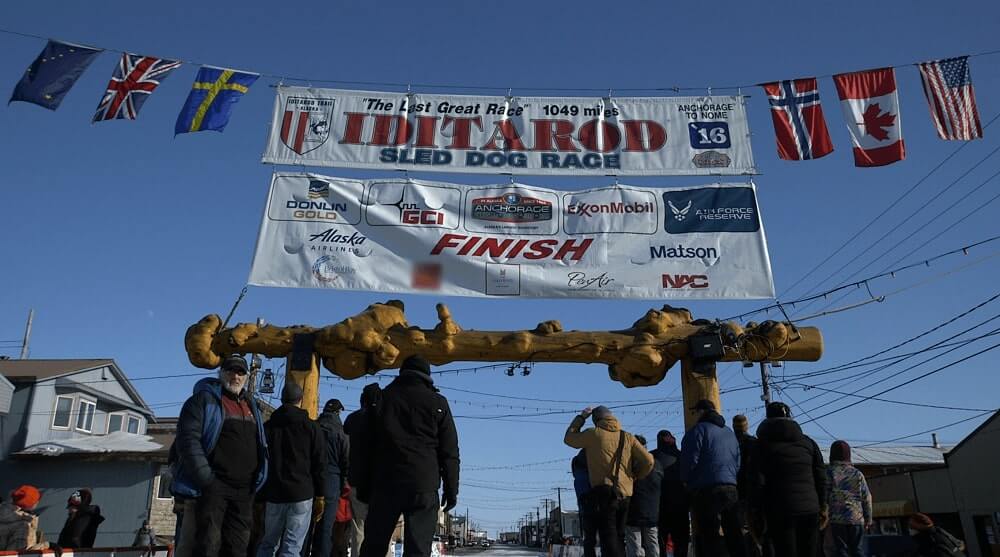
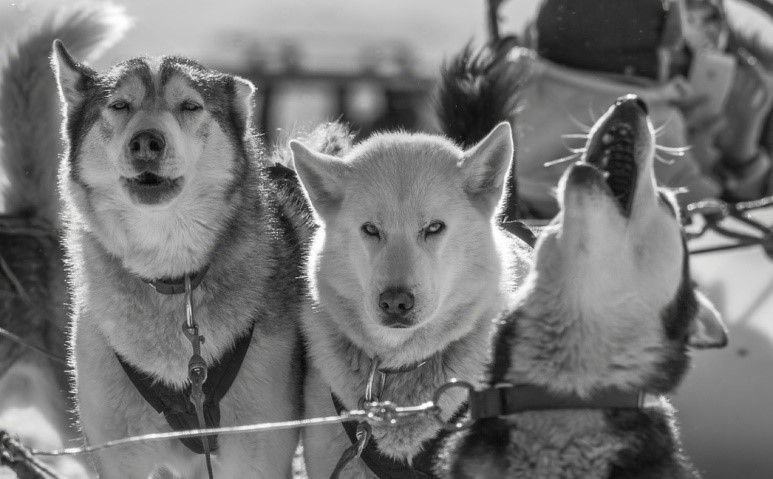
The Iditarod: Going the Distance Canine Costs of “Bringing it Home”
Iditarod Rule 42, the “Expired Dog” rule, mandates that if a dog dies during the race, the musher must immediately withdraw (scratch) unless race officials determine the death was caused by an “Unpreventable Hazard,” like a moose encounter or inherent wilderness risks, rather than neglect or abuse, allowing them to potentially continue. The rule requires the musher to report the death and transport the dog to a checkpoint for investigation, with officials determining if it was a preventable or unpreventable cause, with disqualification possible for neglect.
What the woof?!
This year, the infamous Iditarod is slated to start on March 7. Mushers and their sled dogs will go all out to “bring it home” to Nome. The race name means “distant” or “distant place,” and indeed there is distance between the groups for and against this grueling 1000-mile race across the harsh terrain of Alaska. This annual event showcases the unbelievable endurance of both mushers and their sled dogs as they brave the elements to reach the finish line. But at what cost to these stunning, brilliant canines?
The Iditarod is not just a race, but is to many, a celebration of the bond between humans and animals. It brings together people from all walks of life to view the ostensible teamwork and fortitude of the mushers and their dogs. Additionally, the Iditarod boosts the local economy by attracting tourists and creating business opportunities for the communities along the race route.
The race was partly founded to revive the traditional practice of sled dog driving, preventing it from fading into the sunless arctic sky. The trail follows historic paths used by Inupiaq and Athabaskan peoples for centuries before the gold rush. Native mushers regularly compete, with Indigenous Alaskans achieving top honors in recent, historic, and contemporary races. The race pays homage to this heritage, showcasing the skills and expertise of the indigenous mushers who have mastered the art of dog sledding. The Iditarod serves as a reminder of the native communities in the face of adversity. But taking a paw back, is unnecessary loss of canine life worth one aspect of the preservation of a culture? Difficult question, to be sure. For centuries, sled dogs have been an integral part of their way of life, used for transportation, hunting, and communication. It is what the dogs were bred for. Considering that logic, who would deny a Husky’s joy?
Despite its cultural significance, the Iditarod has been criticized for its impact on the well-being of the sled dogs. Critics argue that the race is too punishing on the animals, leading to injuries, exhaustion, and even death. There have been instances of mistreatment and neglect of the dogs by some mushers, raising concerns about animal cruelty. Moreover, the environmental footprint of the Iditarod is significant, with the carbon emissions from transportation and waste disposal contributing to the climatecrisis.
One of the most pressing issues surrounding the Iditarod is the risk of animal cruelty. Critics argue that the intense physical demands of the race can push the dogs to their limits, leading to injuries and health problems. Some mushers have been accused of overworking their dogs, using harsh training methods, and neglecting basic needs such as food and shelter. Animal welfare organizations advocate for stricter regulations and enforcement to protect the sled dogs from abuse and harm.
In the first race at least 15 dogs died. That certainly set the tone. The death toll has continued to increase since then, and other dogs barely make it out alive. During the 2025 race, a four-year-old pregnant dog named Ventana collapsed and died on the trail. Iditarod officials attempted to cover up a medical emergency involving a dog named Jett. A dog named Hank fell into a freezing river and was dragged. More than 180 dogs were pulled off the trail due to exhaustion, illness, injury, or other causes. The year prior, three dogs—named Bog, Henry, George—were forced to run so fast and so hard that their bodies broke down and they collapsed and died. Even before the race began, five dogs were killed and eight others were injured during training.
Dogs pull mushers’ sleds up to 100 miles a day. During the race, they are expected to run approximately 1,000 miles in less than two weeks, and race rules mandate only 40 hours of rest over the entire duration of the event. They are forbidden from taking shelter during any part of it, except to undergo veterinary exams or treatment! As many as half the dogs who start the Iditarod do not finish. Injured, sick, and exhausted dogs are often “dropped” at checkpoints, but event rules require that only dogs who started the race be allowed to finish. Therefore, the remaining sled dogs must work under even more taxing circumstances, hauling additional weight. Orthopedic injuries are the main reason that dogs are “dropped” from the Iditarod—which makes it clear
that no dog, regardless of breed, is capable of handling ice, wind, snowstorms, and freezing temperatures. Even wearing booties, many incur bruised, cut, or swollen feet.
They also suffer from bleeding stomach ulcers, pulled or strained muscles, and other underlying injuries.
Breeding or no breeding, no dog would choose to run in this frozen nightmare
Tragically, dog deaths in the Iditarod are so routine that the official rules call some of them an “unpreventable hazard.” A sampling of some ominous rules:
Rule 34: Killing of Game Animals: In the event that an edible big game animal, i.e., moose, caribou, buffalo, is killed in defense of life or property, the musher must gut the animal and report the incident to a race official at the next checkpoint. Following teams must help gut the animal when possible. No teams may pass until the animal has been gutted and the musher killing the animal has proceeded. Any other animal killed in defense of life or property must be reported to a race official, but need not be gutted.
Rule 42: Expired Dog: (See beginning of this post.)
Rule 45: Returned Dogs: All dogs that are returned from the Race must be left at a designated checkpoint with a completed and signed returned dog form. Any returned dog must be left with four (4) pounds of dog food. Before returning a dog, mushers must remove all gear (harness, booties, leggings, etc.) except for the dog collar Dogs may be left with dog coats, but the coats will be removed for transport
The Iditarod has killed more than 150 dogs since it began in 1973. Five died in 2017 alone. In just the last decade, dogs competing in the event have died from various causes, including asphyxiation, heart attacks, trauma from being struck by a vehicle, freezing to death, excess fluid in the lungs, and acute aspiration pneumonia—caused by inhaling vomit. If the dogs do not die on the trail, they are left permanently scarred
The American Journal of Respiratory and Critical Care Medicine reported that more than 80% of the dogs in this study withstood lung damage after finishing the Iditarod. Journal of Veterinary Internal Medicine showed that dogs forced to take part in endurance racing had a 61% higher rate of stomach erosions or ulcers. And in a paper in Medicine & Science in Sports & Exercise, researchers determined that dogs used in sled races suffer from airway dysfunction similar to “ski asthma” that continues even after four months of rest.
For these employees, there is no retirement plan. Even when the race ends, dogs’ misery does not.
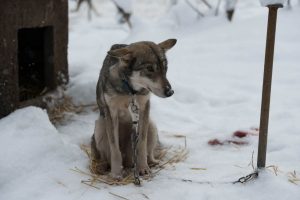
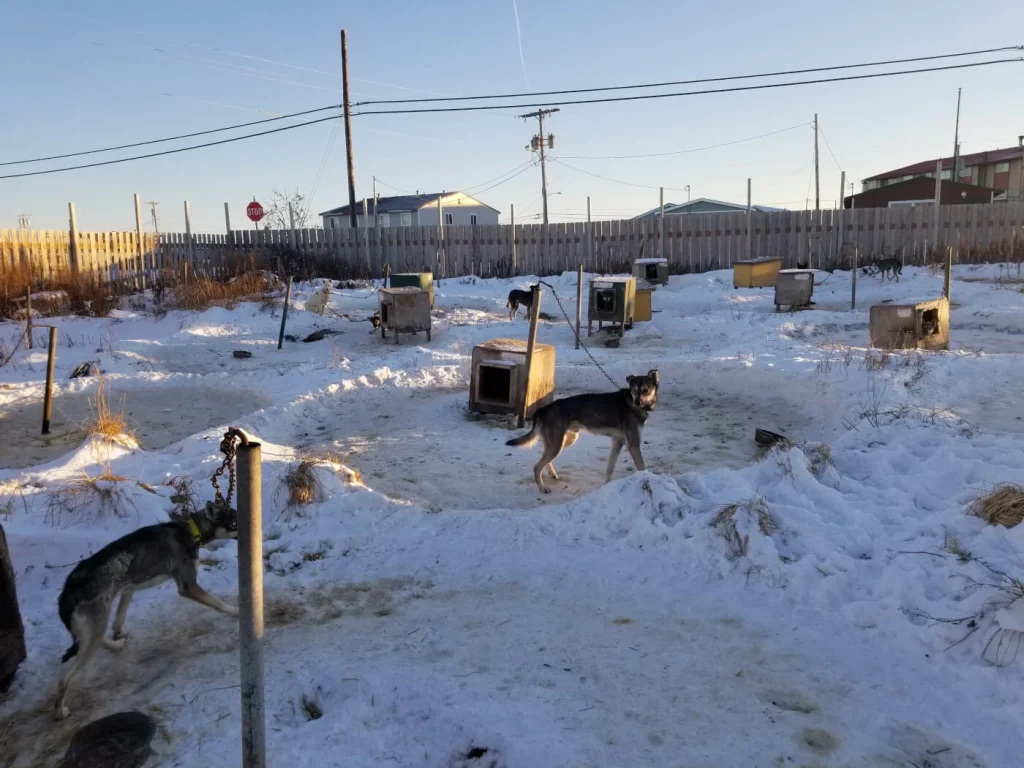
Breeders of dogs used in sledding have freely admitted that “surplus” dogs are killed. They may be killed if they are not fast or fit enough for competition or if they do not meet certain aesthetic standards—for example, if they have white paw pads. Dogs who finish the race but are no longer useful to the industry may be shot, drowned, or abandoned to starve. An undercover eyewitness from PETA worked at two dog kennels owned by former Iditarod champions and found widespread negligence and suffering there. Dogs were deprived of veterinary care for painful injuries; kept continuously chained in the piercing cold with only drafty, derelict boxes or plastic barrels for “shelter.” And exhausted and dehydrated, they were still forced to run.
As guardians of animal health, veterinarians play a decisive role in guaranteeing the welfare of the sled dogs during the Iditarod. They provide medical care, monitor the dogs’ condition, and evaluate their fitness to continue the race. Veterinarians work closely with mushers to prioritize the well-being of the animals above all else, intervening when necessary to prevent harm. Their expertise is essential in maintaining the highest standards of care and ethics in dog sledding.
But they can only work so many miracles.
The Iditarod’s impact on the environment cannot be ignored, especially considering the growing climate crisis. The race necessitates extensive logistics, including the transportation of supplies, equipment, and personnel to remote locations. The use of fossil fuels, waste generation, and deforestation associated with the Iditarod contribute to greenhouse gas emissions and habitat devastation. As climate change quickens, it is vital to address the ecological footprint of the race and adopt sustainable practices to alleviate its environmental impact.
What can we do while the race is in progress over the weeks ahead?
CALL TO ACTION OPTIONS . . .
Please consider lobbying the companies that are STILL sponsoring the Iditarod. Once you act, an alert targeting a different company affiliated with the race will appear. Each time you click the “Send Message” button, another company sponsoring cruelty to dogs will get a letter from you asking it to reconsider its backing.

OR THIS . . .
Write Alaska’s senators and let them know about animal cruelty long associated with the Iditarod:
Lisa Murkowski
Dan Sullivan
OR THIS . . .
Use your socials to CALL OUT Husky breeders who treat these soulful creatures abysmally. Get creative with your hashtags and other links. Get the word out!
Native Alaskans, mushers, organizers, breeders, and fans: May you find your humanity and leave this repugnant and inhumane event behind the finish line for good. No more going the distance, no more “bringing it home” to Nome—where too many dogs have unwillingly, unexpectedly, and unwittingly met their completely unnecessary finish along the way. You can let this tradition fade into the undying polar darkness.